The devices behind a reliable home log
A home reading is only as useful as the device and the habit behind it. Here's an overview of the monitoring categories we help with, what each one is for and what to think about when choosing.
Blood-pressure monitors
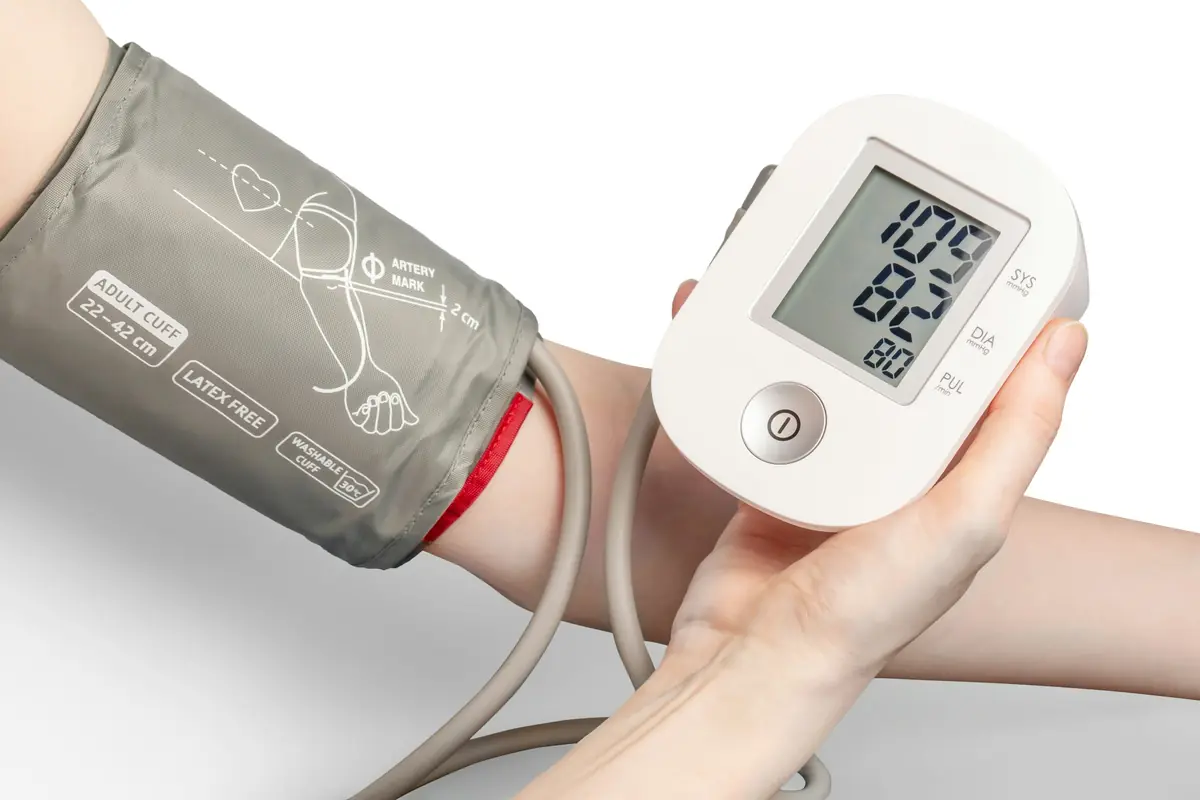
Home blood-pressure checks give your clinician a picture of what happens between office visits. Upper-arm monitors are generally preferred over wrist models, and cuff size matters a lot: a cuff that's too small or too large can throw a reading off.
We'll help you measure your upper arm, explain display and memory options, and talk about features that make a routine easier, like readings stored for two users or a large, high-contrast screen.
- Upper-arm automatic monitors
- Cuffs in small, standard and large sizes
- Large-display options for easier reading
- Simple paper or digital logs for your readings
Pulse oximeters
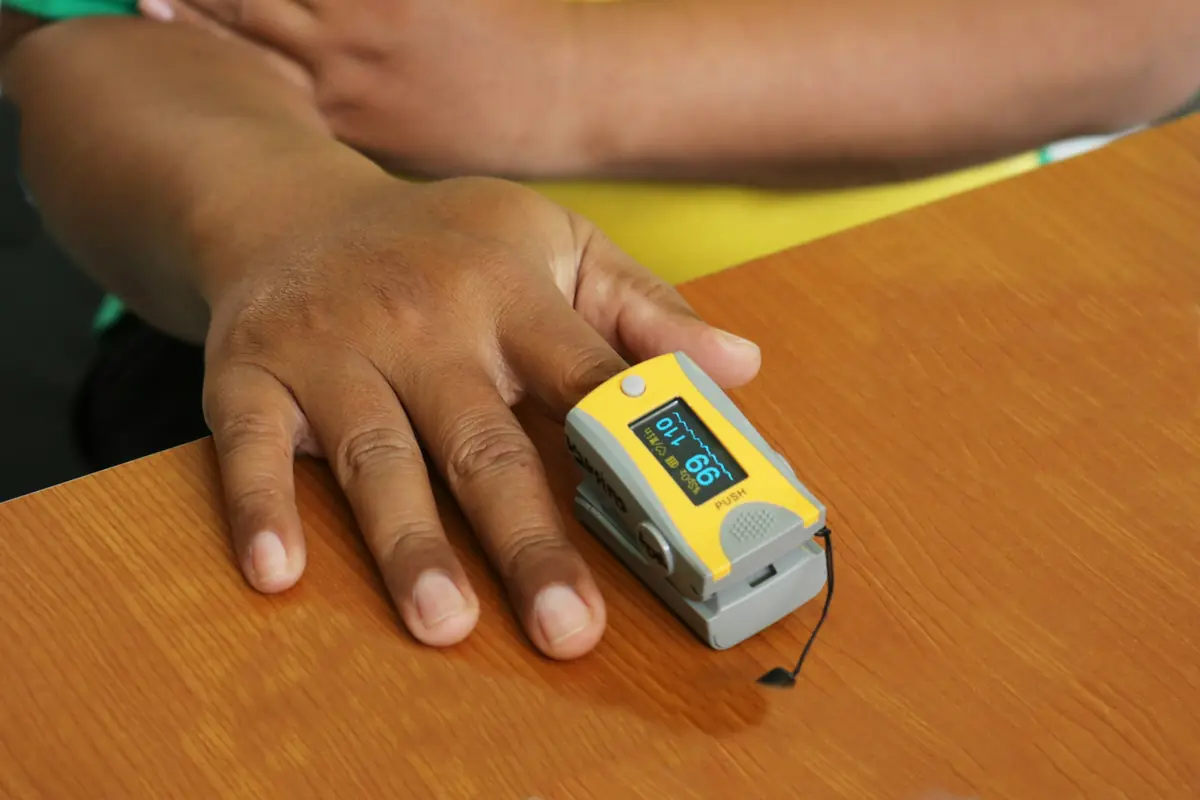
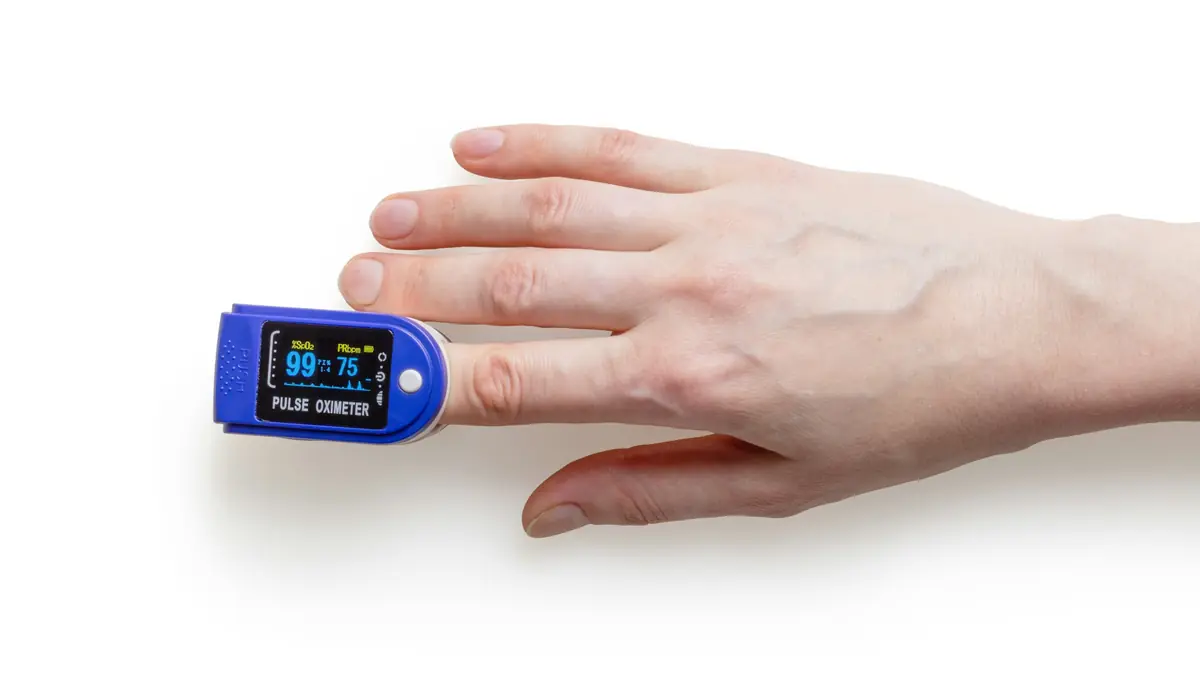
A fingertip pulse oximeter estimates how much oxygen your blood is carrying and shows your pulse. Some clinicians ask patients with lung or heart conditions to check it at rest or during activity.
Readings can be affected by cold hands, movement, nail polish, circulation and skin pigmentation. An oximeter is one piece of information — it doesn't replace paying attention to how you feel or calling your clinician when something seems wrong.
- Fingertip oximeters for adults
- Pediatric sizing questions
- Guidance on steady, consistent technique
Temperature, glucose and weight
Keeping glucose supplies in sync
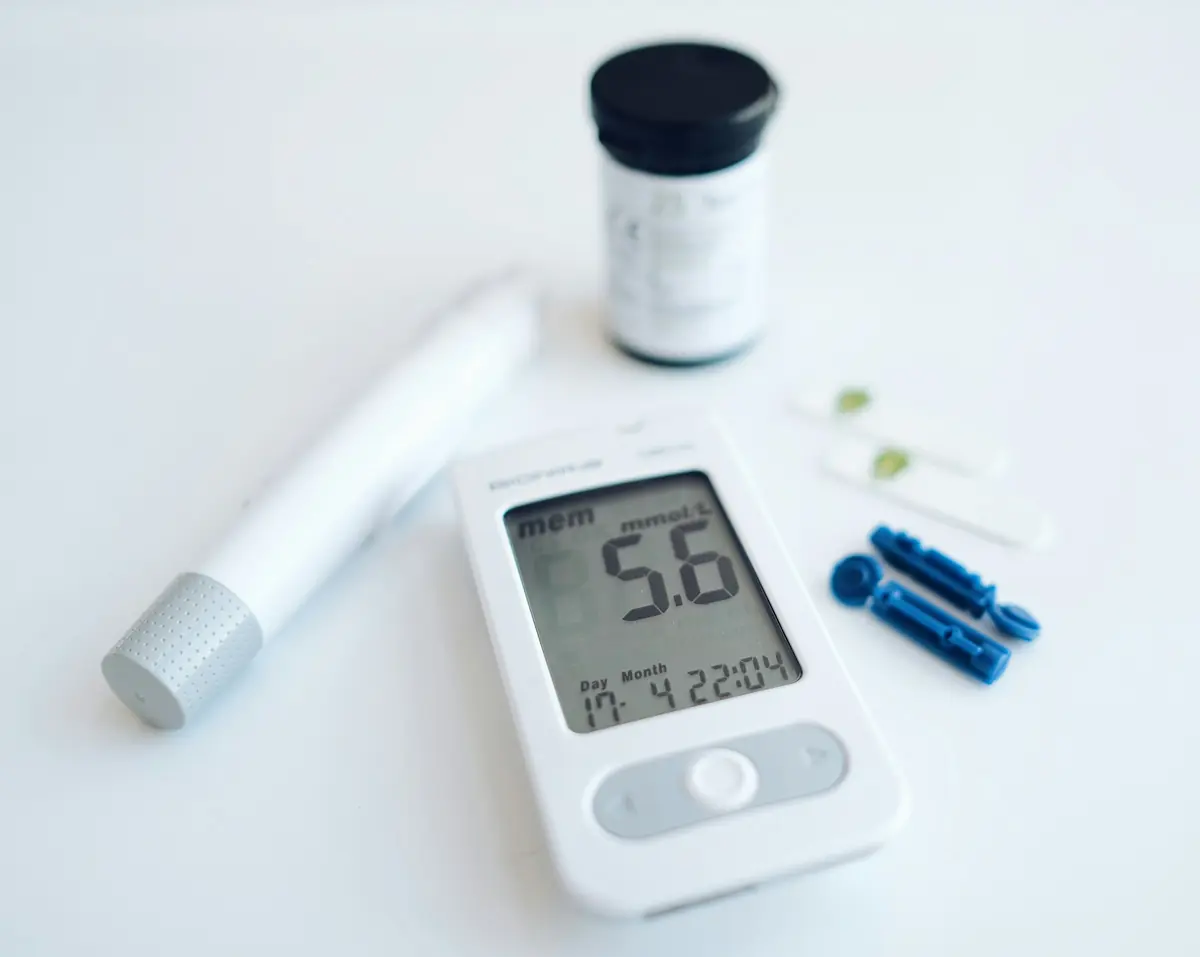
Glucose monitoring has more moving parts than most: the meter, strips that are specific to it, lancets, a lancing device, control solution and a place to log results. When one piece runs out, the routine stops.
We'll help you understand which supplies go together, how to store strips so they stay accurate, and how to plan for refills so you're not counting your last few strips. If your clinician prescribed a specific testing schedule, bring it along — it affects how many supplies you'll use.
Which thermometer type fits your household?
| Consider | Oral digital | Ear | Forehead |
|---|---|---|---|
| How it reads | Under the tongue | Inside the ear canal | Across the forehead |
| Good to know | Wait after eating or drinking | Technique and earwax can matter | Sweat and drafts can affect it |
| Often chosen for | Adults and older kids | Quick checks | Sleeping kids, quick screening |
We don't interpret readingsWe help you choose and use monitoring equipment. Questions about what your numbers mean, or what to do about them, belong with your clinician. If a reading comes with symptoms that worry you, call your clinician — or 911 in an emergency.
Not sure which monitor fits?
Tell us what you've been asked to track and we'll walk through the options.